In 2025, the HVAC industry is undergoing a transformative shift as energy efficient heat pumps emerge as the cornerstone of sustainable heating and cooling solutions. Driven by stringent new efficiency regulations, growing climate concerns, and rising energy costs, homeowners and businesses are rapidly adopting these systems. According to industry analysts, heat pump installations in North America surged 18% in Q1 2025 compared to the same period last year, marking the fastest growth rate in over a decade. This trend is not confined to residential spaces—commercial retrofits are booming, particularly in cities like Boston, Seattle, and Toronto, where municipal incentives are accelerating adoption. As governments push for net-zero emissions by 2050, and consumers demand eco-friendly comfort, energy efficient heat pumps are positioned to lead the HVAC sector into a greener future.
The Sustainability Imperative for Energy Efficient Heat Pumps
The global push for carbon reduction has placed HVAC systems under intense scrutiny. Traditional fossil fuel-based heating methods contribute significantly to greenhouse gas emissions, prompting governments to implement policies that favor renewable energy and high-efficiency systems. In a report published January 2025, the International Energy Agency noted that replacing outdated heating systems with modern heat pumps could cut household carbon emissions by up to 50% (Source). This is a compelling figure for both environmentalists and cost-conscious property owners.
Heat pumps are no longer just an alternative—they are the standard bearer for sustainable HVAC. Their efficiency, adaptability, and compatibility with renewable energy make them unmatched in the current market.
One reason adoption is accelerating is the convergence of policy and technology. Federal rebates of up to $2,500 per unit, combined with low-GWP refrigerants, have made high-end heat pumps more accessible. The integration with smart thermostats and AI-driven controls also enhances performance, ensuring systems adapt to changing weather patterns and occupancy schedules. Furthermore, many municipalities are introducing building codes that mandate the use of high-efficiency systems in new construction, creating a regulatory environment where sustainable solutions are the default choice. In regions like Scandinavia and parts of Canada, community-scale geothermal projects are demonstrating how heat pumps can be integrated into district heating networks, reducing reliance on fossil fuels at a neighborhood level.
| System Type | Average Efficiency (COP) | Emission Reduction |
|---|---|---|
| Air Source Heat Pump | 3.2 | 45% |
| Ground Source Heat Pump | 4.5 | 55% |
As the table illustrates, ground source heat pumps offer higher efficiency but require more complex installations, while air source models provide a balance of affordability and performance.
Economic Benefits and ROI of Energy Efficient Heat Pumps
Beyond sustainability, energy efficient heat pumps deliver tangible financial benefits. According to a February 2025 market analysis by HVAC Business Review, households switching to heat pumps save an average of $750 annually on energy bills (Source). Businesses see even greater returns, with commercial properties reducing operational costs by 20-35%. These savings are amplified in regions with high electricity rates or volatile fossil fuel prices.
For example, a Boston office retrofit documented in 2024 showed a 38% reduction in energy use and a payback period of under five years. The ROI is further boosted by incentives and tax credits, which can offset up to 30% of installation costs. For a breakdown of current installation pricing and incentives, see Heat Pump Installation Prices 2025: HVAC Rules & Trends. Additionally, when paired with renewable energy systems like rooftop solar, heat pumps can provide near-zero operational costs, dramatically improving long-term financial returns. Businesses with large heating loads, such as hotels or manufacturing plants, have reported savings in the hundreds of thousands annually, demonstrating the scalability of these benefits. For more trends in the sector, explore Top 5 HVAC Trends in 2025: Smart Tech & Sustainability.
Technology Advancements Driving Energy Efficient Heat Pumps Adoption
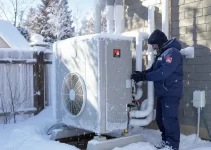
The latest generation of heat pumps includes inverter-driven compressors, variable refrigerant flow (VRF) systems, and advanced defrost cycles that maintain efficiency even in sub-zero conditions. Cold climate models now operate efficiently at -15°F, making them viable replacements for oil and gas furnaces in northern regions. These innovations have dismantled the perception that heat pumps are only suitable for mild climates.
Modern heat pump technology has eliminated the winter performance gap. Cold climate units now deliver consistent comfort without the backup of fossil fuels.
Integration with renewable energy sources is also a game-changer. Pairing heat pumps with solar PV systems can push operational costs toward zero, particularly in sunny regions. For detailed insights on this synergy, explore Solar Heat Pump Pairing: Efficiency and Cost Benefits. Advances in building automation now allow heat pumps to be part of a fully integrated smart energy ecosystem, where AI algorithms predict heating and cooling needs based on weather forecasts, occupancy patterns, and even dynamic electricity pricing, further optimizing efficiency. This level of intelligent control is paving the way for truly net-zero energy buildings.
Case Studies and Real-World Applications of Energy Efficient Heat Pumps
Consider the example of a Seattle multi-family complex that replaced aging gas boilers with air-to-water heat pumps in late 2024. The project reduced annual energy consumption by 42% and qualified for $150,000 in state rebates. Tenants reported improved indoor comfort, and the property manager noted lower maintenance costs due to fewer mechanical failures.
| Location | System Type | Energy Savings |
|---|---|---|
| Boston Office | VRF Air Source | 38% |
| Seattle Complex | Air-to-Water | 42% |
As seen above, the savings are substantial and achievable across diverse property types. These case studies demonstrate that energy efficient heat pumps are not just theoretical solutions—they are delivering measurable benefits today. In rural communities, ground-source heat pump installations have provided reliable heating without dependence on fuel deliveries, improving resilience during extreme weather events. Meanwhile, schools and hospitals are increasingly adopting heat pumps to meet both sustainability goals and budget constraints, with public funding often supporting such transitions.
Maintenance and Longevity Considerations
While heat pumps are highly efficient, regular maintenance is essential to sustain performance. Filters should be cleaned quarterly, refrigerant levels checked annually, and outdoor units kept clear of debris. Preventive maintenance can extend system life to 15-20 years, maximizing ROI. For best practices and seasonal upkeep tips, refer to Heat Pump Maintenance in 2025: Key Tips for Efficiency.
Industry experts emphasize that neglecting maintenance can erode efficiency gains, leading to higher operating costs and premature system failure. Fortunately, smart monitoring tools now alert owners to performance issues in real time, enabling quick resolution. Many modern systems even offer predictive maintenance capabilities, using sensors and analytics to forecast component wear before breakdowns occur. This proactive approach not only prevents costly repairs but also ensures uninterrupted comfort and efficiency throughout the year.
The Road Ahead
Looking forward, analysts predict that by 2030, over 50% of new HVAC installations in developed markets will be heat pumps. This trajectory is supported by continuous technological innovation, expanding financial incentives, and growing public awareness of climate issues. For property owners, the decision to adopt energy efficient heat pumps in 2025 is both a short-term financial win and a long-term sustainability investment.
In summary, the convergence of policy, technology, and economics makes energy efficient heat pumps the definitive choice for modern heating and cooling. Whether for a single-family home or a commercial retrofit, the benefits are clear: lower emissions, reduced costs, and improved comfort. Now is the time to evaluate your HVAC strategy and consider making the switch. As the global energy landscape evolves, those who embrace efficient technologies will be better positioned to meet future regulatory requirements, access emerging incentive programs, and appeal to increasingly eco-conscious consumers.
By embracing these systems today, you not only future-proof your property but also contribute to a global movement toward cleaner, more efficient energy use. In doing so, you become part of the solution, helping to shape a built environment that aligns with the urgent demands of climate responsibility and economic practicality.



No Responses