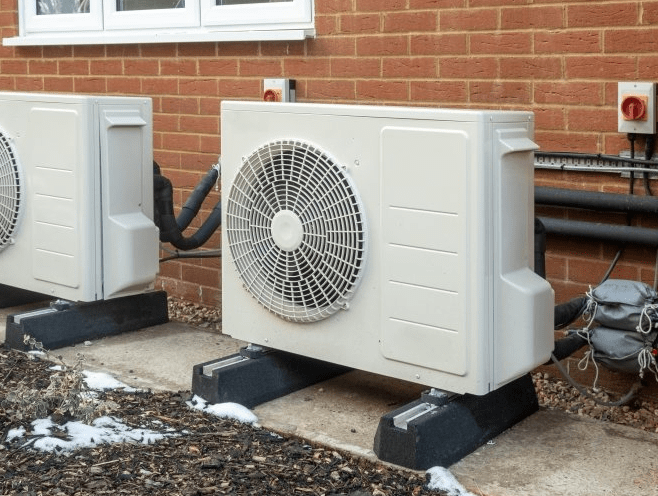
Air source heat pumps (ASHPs) are rapidly becoming a go-to solution for homeowners and businesses seeking sustainable heating and cooling. Their popularity has surged in recent years, especially with 2025’s advancements in cold climate performance and smart integration. However, here’s the reality: even the most efficient air source heat pump can lose significant performance without proper upkeep. That means higher energy bills, shorter system lifespan, and reduced comfort.
In this guide, we’ll cover actionable maintenance tips to help you get the most out of your ASHP. We’ll explore why maintenance matters, what you can do yourself, when to call in professionals, and how new technologies are making upkeep easier than ever.
Regular maintenance is no longer optional, it’s integral to keeping heat pumps running at peak efficiency and extending their lifespan. Smart diagnostics now allow homeowners to identify issues before they cause major energy losses.
Understanding the Importance of Regular Air Source Heat Pump Maintenance
An air source heat pump works by transferring heat between the inside of your building and the outside air. This process relies on components like compressors, refrigerant lines, coils, and fans, all of which can degrade over time if not maintained.
According to 2025 market data, electric heat pumps outsold gas furnaces by 25% in North America, driven by both cost savings and sustainability goals. Modern ASHPs can cut energy use by 20–40% compared to traditional HVAC systems, but only if kept in peak condition.
| Maintenance Task | Efficiency Impact | Recommended Frequency |
|---|---|---|
| Filter cleaning/replacement | Up to 15% gain | Monthly |
| Coil cleaning | 5–10% gain | Quarterly |
| Professional inspection | Prevent 80% issues | Annually |
As shown above, even simple tasks like filter changes can have a big effect on performance. Neglecting these steps can lead to airflow restrictions, increased strain on components, and unnecessary energy waste. In fact, studies have shown that systems with consistent upkeep not only consume less energy but also require fewer costly repairs over their lifetime, making regular maintenance a wise investment for long-term savings.
Cleaning and Inspecting Air Source Heat Pump Filters
Your ASHP’s filters are its first line of defense against dust and debris. Dirty filters can reduce efficiency by up to 15% and impact indoor air quality. For most systems, cleaning or replacing filters monthly is best, especially in high-use seasons.
Step-by-step:
- Turn off the system.
- Remove the filter from the indoor unit.
- If washable, rinse with lukewarm water and let dry completely.
- If disposable, replace with a compatible high-efficiency filter.
This simple habit not only improves performance but also extends the life of other components by keeping dust from clogging coils and fans. Additionally, regularly maintained filters help reduce allergens and airborne particles, which can contribute to healthier indoor environments, particularly for households with allergy sufferers or pets.
Air source heat pumps have become far more efficient in cold weather thanks to variable-speed compressors and advanced refrigerants. Proper upkeep is even more rewarding in colder climates.
Keeping the Outdoor Air Source Heat Pump Unit Clear
The outdoor unit needs unobstructed airflow to operate efficiently. Leaves, snow, or even overgrown vegetation can block intake or exhaust vents, forcing the system to work harder.
Best practice: Maintain at least 2 feet of clearance around the unit and check it weekly during fall and winter. In snowy climates, clear snow and ice buildup promptly. In addition, consider installing a small protective awning or platform to shield the unit from heavy precipitation, which can prolong its operational life and reduce the frequency of manual clearing.
Monitoring Refrigerant Levels and Air Source Heat Pump Coil Condition
Low refrigerant levels reduce both heating and cooling capacity, often causing the system to run longer and consume more energy. Annual professional checks can ensure refrigerant levels meet manufacturer specifications.
Similarly, dirty coils can drastically cut efficiency. The indoor evaporator coil and outdoor condenser coil should be inspected and cleaned at least once per year. Professionals use specialized cleaners that remove buildup without damaging delicate fins. Keeping coils in optimal condition not only improves performance but also helps maintain stable indoor temperatures, which is especially critical during extreme weather conditions.
For more details on coil care, see our guide on cold climate heat pump performance.
Leveraging Smart Controls for Air Source Heat Pump Efficiency
Over 50% of new ASHP installations in 2025 include smart building automation. These systems allow you to set optimal operation schedules, track energy use, and receive alerts for maintenance needs.
For example, a smart thermostat can adjust output based on occupancy patterns, weather forecasts, and electricity rates, saving you money without sacrificing comfort. Some advanced platforms even integrate with renewable energy sources, automatically balancing consumption when solar or wind power is available, further boosting your system’s eco-efficiency.
If you’re considering upgrading your controls, explore the latest innovations in heat pump technology to see how AI-driven systems can improve efficiency.
Case Study: Cold Climate Air Source Heat Pump Efficiency Gains
In 2025, a small business in Minnesota replaced its aging gas furnace with a modern ASHP featuring a variable-speed compressor and advanced refrigerant. By combining quarterly DIY checks with annual professional servicing, they cut winter heating costs by 28% while maintaining consistent indoor temperatures.
| Season | Energy Savings | Comfort Rating |
|---|---|---|
| Winter | 28% | High |
| Summer | 22% | High |
This real-world example highlights how maintenance directly impacts both cost savings and comfort. The business also reported fewer service interruptions, improved employee satisfaction due to stable indoor climates, and greater predictability in budgeting for energy expenses.
Avoiding Common Air Source Heat Pump Maintenance Mistakes
While ASHPs are low-maintenance compared to some HVAC systems, there are pitfalls to avoid:
- Skipping filter changes during mild seasons
- Ignoring minor noises or performance dips
- Using harsh chemicals on coils
- Blocking airflow with covers during operation
These errors can lead to costly repairs and efficiency losses. Even small oversights, like failing to clear leaves from the unit in autumn, can compound over time, reducing efficiency and increasing wear on moving parts.
For more detailed troubleshooting strategies, check out our guide on heat pump repair.
Staying Ahead with Industry Trends
The HVAC industry is evolving quickly. AI-powered diagnostics can now detect potential failures before they happen, cutting downtime by 30%. Solar-ready ASHPs are also on the rise, enabling near-zero energy costs when paired with photovoltaic systems.
Manufacturers are introducing inverter compressors that maintain efficiency down to -15°C (5°F), a game-changer for cold climate installations. Furthermore, emerging materials for coil construction are increasing durability, reducing corrosion risks, and lowering the frequency of maintenance cycles.
Annual professional inspections combined with quarterly DIY checks can prevent 80% of common performance issues in ASHPs.
Tools and Resources for Effective Air Source Heat Pump Maintenance
Investing in the right tools can make DIY maintenance safer and more effective:
- Coil cleaning brushes and sprays
- Filter replacements in bulk
- Smart thermostat with maintenance alerts
- Protective covers for off-season
Combine these with a trusted HVAC professional for annual servicing to maximize results. Additionally, keeping a dedicated maintenance log can help track service dates, component replacements, and efficiency trends, giving you valuable insights into your system’s long-term performance.
If you’re planning a new installation, our heat pump installation guide offers detailed cost insights to help you budget for both setup and ongoing maintenance.
Building Your Path to Peak Air Source Heat Pump Efficiency
By following these essential maintenance tips, you can improve your air source heat pump’s efficiency by 10–25% annually, translating into substantial cost savings and a smaller environmental footprint. The key is consistency; small, regular actions add up to big results over time.
Whether you’re a homeowner looking to lower utility bills or a business aiming for sustainability goals, proactive upkeep is your best tool for maximizing ASHP performance. Incorporating seasonal checklists, leveraging smart alerts, and partnering with reliable service providers will keep your system in optimal condition.
Start today by scheduling your next professional inspection and setting a monthly reminder for filter checks. With modern technology and a solid maintenance routine, your ASHP can deliver exceptional comfort and efficiency for years to come, making it not just a smart environmental choice but also a sound financial decision.