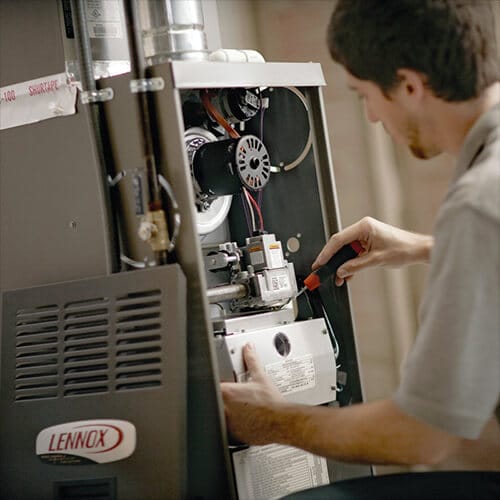
Heat pumps have become one of the most popular choices for homeowners and businesses aiming to reduce energy costs and improve sustainability. With efficiency ratings often exceeding 200%, they outperform traditional furnaces and air conditioners by a wide margin. However, this efficiency isn’t guaranteed—it requires consistent, informed heat pump maintenance to keep your system operating at its peak.
In this guide, we’ll explore proven heat pump maintenance strategies, real-world case studies, and actionable efficiency tips that can save you money and extend your system’s lifespan. Whether you’re running an air source heat pump or a geothermal system, these insights will help you optimize performance year-round.
Understanding Heat Pump Efficiency and Why Heat Pump Maintenance Matters
Modern heat pumps can operate at 200, 400% efficiency, meaning they deliver two to four times more energy than they consume. Geothermal models are even more efficient, often achieving Coefficient of Performance (COP) ratings above 4.0.
Preventative maintenance isn’t just smart, it’s essential. Systems that receive regular care can last 15, 20 years, while neglected units may need replacement in as little as 10 years.
The key takeaway here is that efficiency isn’t static. Dirt buildup, clogged filters, low refrigerant levels, and neglected components can quickly erode performance. According to ServiceTitan, upgrading to energy-efficient HVAC systems and maintaining them properly can cut energy use by 20, 50%. In fact, the U.S. Department of Energy notes that simply replacing or cleaning filters regularly can improve energy consumption by up to 15% alone. This means that maintenance is not only about preventing breakdowns, it’s also about preserving the system’s ability to deliver maximum output for minimal input.
Proper upkeep also helps maintain consistent indoor comfort levels. A well-maintained heat pump can keep temperatures stable without frequent cycling, reducing wear on components. Over time, these small preventive steps accumulate into substantial savings and better reliability.
| System Type | Typical Efficiency | Expected Lifespan |
|---|---|---|
| Traditional Furnace | 80, 95% | 10, 15 years |
| Air Source Heat Pump | 200, 300% | 12, 15 years |
| Geothermal Heat Pump | 350, 400% | 15, 20 years |
As shown above, the right maintenance plan can make a huge difference in both efficiency and longevity, ensuring you get the most from your investment.
Seasonal Heat Pump Maintenance Strategies for Peak Performance
Seasonal maintenance is one of the most effective ways to keep your heat pump running smoothly. Each season presents unique challenges, from summer dust buildup to winter ice accumulation. Addressing these issues proactively prevents performance drops and costly repairs.
Spring & Summer:
- Clean or replace filters every 2 weeks for optimal airflow.
- Check coils every 2 months to prevent efficiency loss.
- Inspect refrigerant levels before peak cooling season.
- Keep vegetation trimmed back at least two feet from the outdoor unit to improve airflow and prevent debris accumulation.
Fall & Winter:
- Clear snow and debris from the outdoor unit.
- Seal ductwork leaks to prevent heat loss.
- Test defrost cycles to ensure reliable winter operation.
- Inspect insulation on refrigerant lines to prevent heat loss and protect against freezing.
By spotting a decrease in efficiency, an increase in energy consumption, or IAQ issues early on, technicians can perform more affordable maintenance and repairs.
Regular seasonal check-ups not only maintain efficiency but also help identify minor issues before they become costly repairs. For example, a small refrigerant leak detected in autumn can be fixed quickly, preventing the system from struggling through the winter and avoiding significant repair bills. Scheduling maintenance at the start of each season also ensures your heat pump is ready for upcoming temperature extremes.
For more tips on preparing your system, see our cold climate heat pump performance guide.
Case Studies: Real-World Heat Pump Maintenance Efficiency Gains
Case studies are one of the best ways to see how maintenance impacts performance over time. In one example, a homeowner in Vermont upgraded to a variable-speed air source heat pump and followed a strict maintenance schedule: filter cleaning every two weeks, coil inspections every two months, and annual professional servicing. The result? A 30% reduction in energy bills and a system lifespan projected at over 15 years.
In another case, a small business installed a geothermal heat pump with a COP rating of 4.2. By keeping the loop system clean and scheduling bi-annual inspections, they maintained optimal efficiency even during extreme cold snaps. This proactive approach not only reduced their annual heating and cooling costs by $1,200 but also minimized downtime during peak operational periods.
A third example comes from a coastal homeowner who faced salt-air corrosion risks. By applying anti-corrosion coatings to exposed components and scheduling quarterly inspections, they avoided premature deterioration and maintained high efficiency despite the harsh environment.
For more inspiring examples, check out Heat Pump Installation Case Studies: Real-Life Success Stories.
| Scenario | Efficiency Gain | Annual Savings |
|---|---|---|
| Vermont Homeowner | 30% | $600 |
| Geothermal Business | 25% | $1,200 |
| Coastal Homeowner | 20% | $500 |
These cases show that disciplined upkeep can yield substantial savings, improved reliability, and resilience against environmental challenges.
Advanced Heat Pump Maintenance and Efficiency Practices
Beyond basic maintenance, advanced strategies can help you squeeze even more performance from your heat pump:
- Smart Monitoring: IoT-enabled heat pumps can alert you to issues before they impact efficiency.
- Variable-Speed Compressors: Maintain performance across extreme temperature ranges.
- Proactive Component Replacement: Swap worn parts before failure to avoid downtime.
- Energy Usage Analytics: Review historical performance data to identify patterns and adjust operational settings accordingly.
According to engineers from SolarTech Online, modern heat pumps equipped with smart controls and variable-speed technology are redefining HVAC efficiency standards. For example, systems with adaptive algorithms can automatically adjust output based on weather forecasts, reducing unnecessary energy use.
Industry trends suggest that predictive maintenance will become the norm, with systems automatically scheduling service based on usage data. Some manufacturers are already integrating AI-driven diagnostics that can pinpoint inefficiencies before they cause noticeable performance drops, ensuring maximum lifespan and consistent comfort levels.
Learn more about upcoming innovations in our future of heat pump technology article.
Integrating Heat Pump Maintenance with Long-Term Planning
Heat pump maintenance isn’t just a short-term task—it’s part of a long-term energy strategy. If your system is over 12 years old, upgrading to a high-efficiency model may deliver better results than continued repairs. Long-term planning involves evaluating not only the age and condition of your current system but also projected energy costs, evolving technology, and available incentives.
For an in-depth look at installation costs and planning, see Heat Pump Installation Cost Breakdown for a 2000 sq ft Home.
Government incentives are also making upgrades more affordable. Many regions offer rebates and tax credits for installing or maintaining energy-efficient heat pumps. Planning ahead allows you to time upgrades with incentive cycles, maximizing your return on investment. Additionally, factoring in future energy price trends can help determine whether an upgrade will offer greater long-term savings compared to maintaining an older unit.
| Incentive Type | Value | Eligibility |
|---|---|---|
| Federal Tax Credit | $2,000 | High-efficiency models |
| State Rebate | $500, $1,000 | New installations |
| Utility Discount | $200 | Annual servicing |
By aligning maintenance with these programs, you can maximize both efficiency and savings, ensuring your system remains cost-effective over its entire lifespan.
Your Path Forward
Maximizing heat pump efficiency comes down to a combination of regular upkeep, smart technology, and strategic planning. Cleaning filters, inspecting coils, sealing ducts, and scheduling professional service are non-negotiable steps if you want your system to last.
The benefits are clear: lower energy bills, improved indoor comfort, and a reduced environmental footprint. Whether you manage a single-family home or a commercial property, adopting these maintenance habits will pay dividends for years to come. In fact, consistent maintenance often results in fewer emergency repairs, better air quality, and predictable operating costs.
Start by creating a seasonal checklist, invest in smart monitoring tools, and take advantage of available incentives. If possible, build a relationship with a trusted HVAC service provider who understands your system’s unique needs. Your heat pump is more than just a heating and cooling system—it’s a long-term investment in sustainable comfort, resilience against fluctuating energy prices, and a commitment to environmental responsibility.
For more insights into potential downsides and performance considerations, read Understanding the Downsides of Air Source Heat Pumps: What Homeowners Should Know.